
Tool milling machine, also known as toolroom milling machine, is a versatile multi‑purpose milling equipment widely used in tool rooms, repair workshops and small‑batch prototype manufacturing. It can complete milling, drilling, boring, tapping, slot cutting and contour machining. Available in manual and CNC versions, it features flexible setup, wide speed range and strong adaptability for one‑off and small‑lot workpieces.
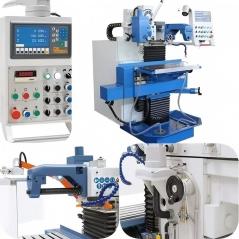
Most tool milling machines adopt knee‑type structure. The lifting knee supports the worktable, enabling adjustable working stroke in X/Y/Z axis. The swivel milling head allows angle machining for bevels and inclined surfaces. Compared with production‑oriented machining centers, tool milling machine focuses on flexibility rather than high‑volume output.
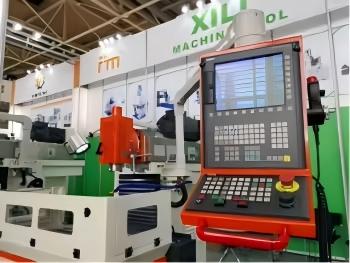
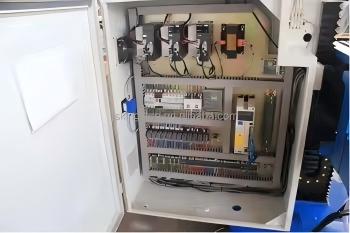
Tool milling machines are widely applied for manufacturing jigs, fixtures, cutting tools, small molds, spare‑part repairing, equipment modification and prototype trial‑production. It processes carbon steel, alloy steel, aluminum, copper and engineering plastics.
Q1: What is the difference between tool milling machine and ordinary CNC machining center?
A: Tool milling machine emphasizes flexibility for single‑piece & small‑batch tool‑room work, without standard automatic tool‑changer. Machining center is oriented to mass production with ATC, higher automation and higher cost.
Q2: Manual or CNC tool milling machine, which one should I pick?
A: Manual tool mill is good for repair, simple parts and low‑budget toolroom. CNC tool mill fits for parts requiring consistent precision and simple complex contours.
Q3: What typical workpieces can a tool milling machine produce?
A: Jigs, fixtures, small mould inserts, custom spare parts, keyways, brackets, prototype samples and maintenance components.
Q4: What main parameters need to confirm before purchase?
A: Table size, X/Y/Z travel, spindle speed range, spindle taper (R8 / ISO40), manual or CNC type, DRO digital readout requirement.
Q5: Can tool milling machine process hard alloy steel?
A: Yes. It requires proper cutting tools, reasonable spindle speed‑feed parameters. Heavy continuous high‑volume cutting is not recommended.
Leave A Message
Scan to Wechat/Whatsapp :