
If your workshop manufactures steel pipes, oil tubing, casing, pipeline fittings or fire pipe connectors, a reliable pipe thread lathe is the core machine for consistent internal and external pipe threads. Many buyers mistakenly use standard general CNC lathes for pipe threading and end up with vibration, thread error and unstable yields. This guide walks you through every critical point to select a suitable pipe thread lathe for your production.
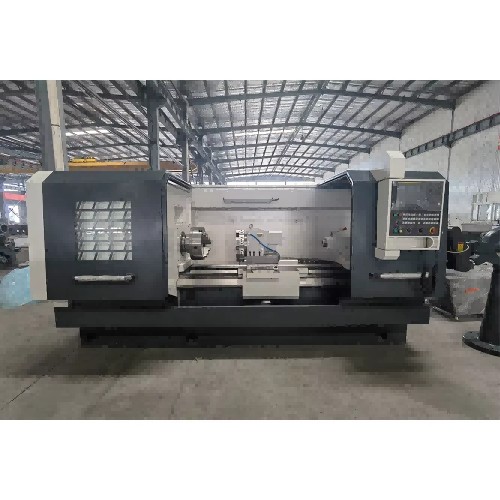
A pipe thread lathe is specially designed with a large spindle bore to let long steel pipes pass through the spindle. Unlike ordinary turning lathes, it prioritizes high torque, heavy cutting rigidity and precise thread repeatability for NPT, BSP, BSPT, API and other pipe thread standards. It is widely adopted in oil & gas, water pipeline, fire protection, hydraulic pipe and steel structure industries.
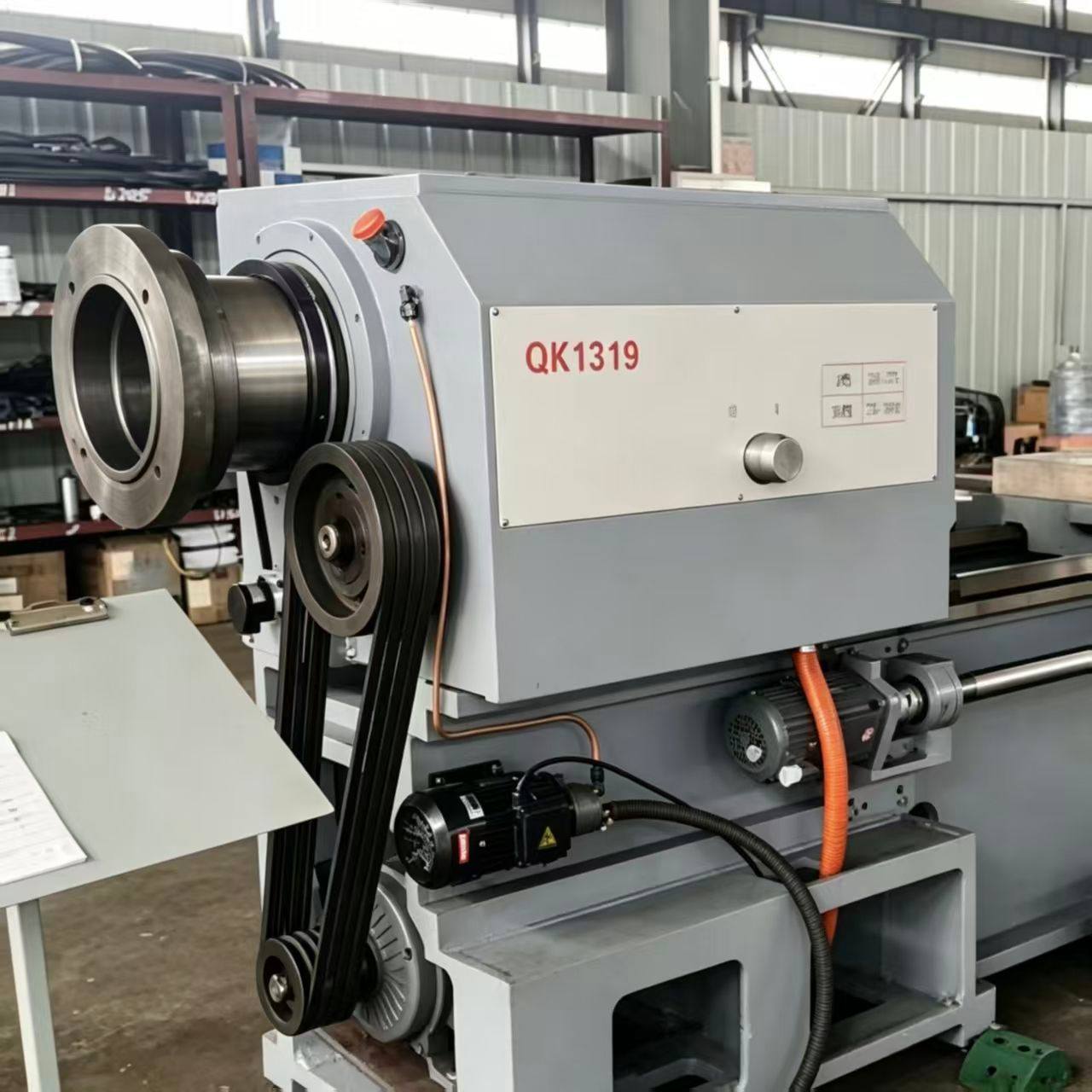
Spindle bore is the No.1 specification to check. This decides what size pipe you can feed through the machine.
Measure your maximum raw pipe outer diameter
Leave proper clearance for pipe feeding
Common models: QK1313, QK1319, QK1322, QK1327, QK1335 with bore from 130mm up to 350mm or larger custom bore.
If you process 6-inch or 8-inch heavy casing, small bore lathes cannot work even if the swing diameter looks enough.
Different markets require different pipe thread profiles, and the lathe control system must support them:
NPT / NPTF: North American oil, gas and hydraulic pipes
BSPP / BSPT: European, Southeast Asia, general plumbing
API 5B: Oil tubing and casing (high precision requirement)
Before ordering, confirm whether the controller can program these thread pitches without extra modification.
Pipe threading is heavy-load cutting. A weak machine frame will cause chatter marks and thread taper:
Prefer one-piece cast iron bed, stress relieved / natural aging treatment
Wider guideway, reinforced spindle unit, heavy-duty headstock
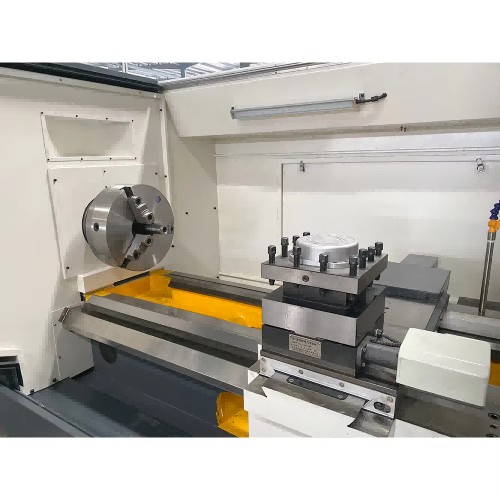
Double chuck configuration (front and rear chuck) for long pipe clamping
Lightweight general lathes are not built for continuous pipe threading mass production.
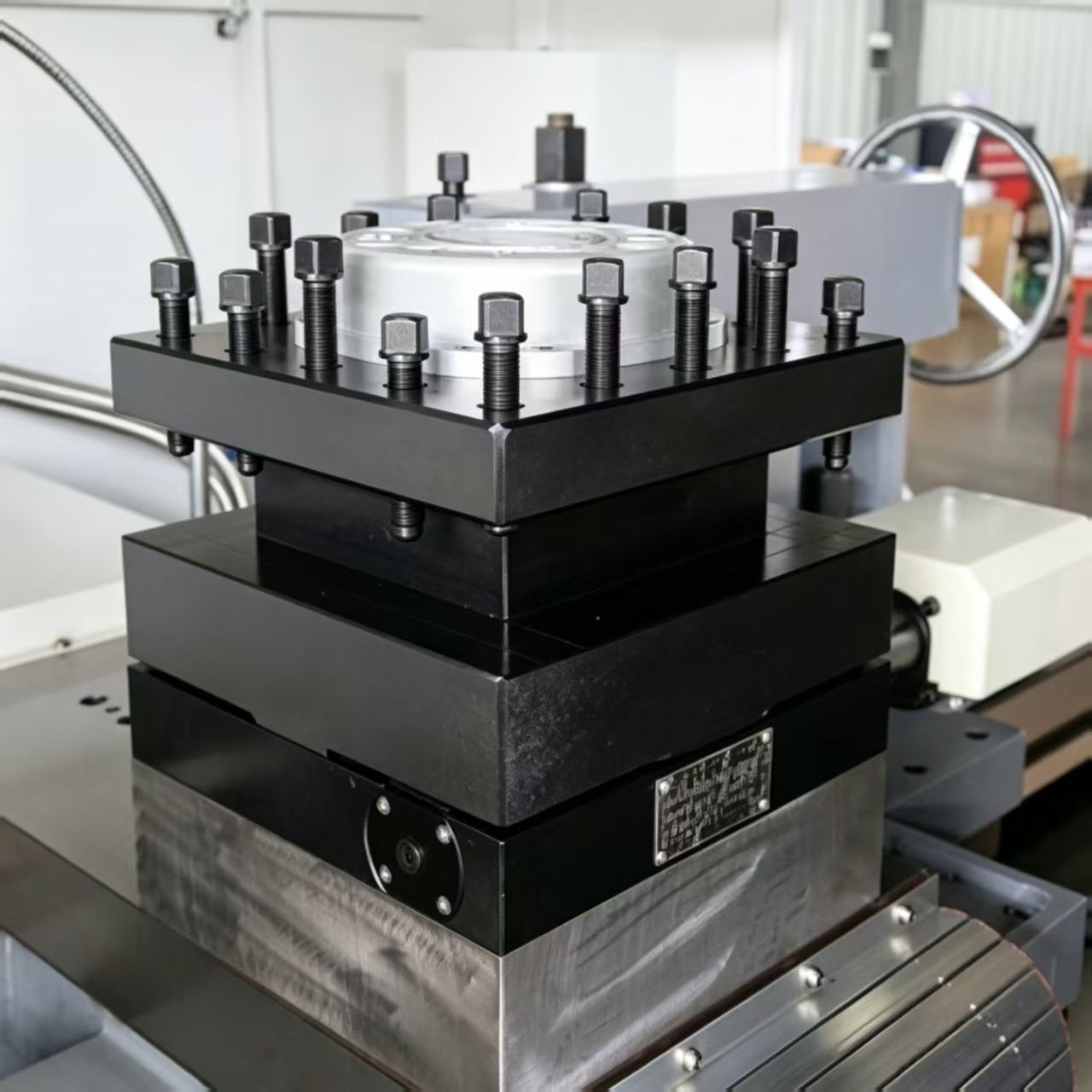
Two mainstream options:
Economic: GSK, Newday system, stable and low maintenance cost, popular for standard BSP/NPT pipe thread
Premium: Siemens, Fanuc, for high-volume API threading, better stability and after-sales in overseas markets
Also confirm language support for your operators (Russian, Spanish, English interface & manuals).
Carbon steel pipe, alloy steel and stainless steel pipe require different spindle torque:
Carbon steel water pipe: standard main motor power works
Thick-wall alloy casing, stainless pipe: need higher power and low-speed large torque output
Do not only look at spindle speed; low-speed torque matters more for pipe threading.
Check standard and optional packages:
Front & rear double chucks (essential for long pipes)
Steady rest / follow rest for slender pipe anti-vibration
Hydraulic tailstock
Coolant system, centralized lubrication, safety guards
Thread inspection gauges matching your thread standard
Plumbing, fire pipe, water pipeline: standard horizontal CNC pipe thread lathe, BSPT/NPT thread
Oilfield tubing, casing, drill pipe: API dedicated oil country lathe, heavy-duty structure
Small batch job shop: manual pipe thread lathe or entry-level QK1313
Mass production: fully automatic CNC pipe threading lathe with auto feeding option
1. Buying general big swing lathe instead of dedicated pipe thread lathe (small spindle bore)
2. Ignoring thread standard compatibility, only focusing on price
3. Underestimating pipe length, forgetting to check maximum workpiece length
4. Choosing thin-frame low-cost lathes for continuous heavy cutting
5. Not confirming spare parts availability and local after-sales service
Max pipe OD and wall thickness
Thread standard (NPT / BSP / API)
Material: carbon steel / alloy / stainless
Required batch output
Power voltage & frequency (380V 50Hz / 460V 60Hz)
Preferred CNC controller brand
Need double chuck, steady rest or customized length
Q: Can a normal CNC lathe cut pipe threads?
A: It can make short thread samples, but most standard lathes have small spindle bore. Long pipe cannot pass through, and rigidity is insufficient for heavy pipe threading.
Q: What is the difference between QK1319 and QK1327 pipe thread lathe?
A: Main difference is spindle bore size, max pipe capacity and machine weight. QK1327 is heavier for larger diameter casing.
Q: Is API thread processing more demanding?
A: Yes. API threads require strict pitch, taper and surface finish, so you need high-rigidity lathe and calibrated thread program.
The best pipe thread lathe is not the most expensive one, but the one matching your pipe size, thread specification and production load. Send your workpiece drawing and thread requirement to our team, and we can recommend the correct model and configuration for your workshop.
Leave A Message
Scan to Wechat/Whatsapp :