
A leading CNC machinery manufacturer offering factory-direct pricing and ISO-certified quality, backed by a global footprint in 60+ countries and a lifetime commitment to unlimited technical support.




A leading CNC machinery manufacturer offering factory-direct pricing and ISO-certified quality, backed by a global footprint in 60+ countries and a lifetime commitment to unlimited technical support.
Introduction
In manufacturing workshops for hardware, aerospace, automotive, pressure vessels, and kitchen and bathroom fixtures, there is a low-key yet indispensable forming machine—the spinning machine. From the inner liners of vacuum flasks and automotive wheel hub blanks to aircraft engine casings and gas pipeline end caps, most seamless, thin-walled rotary workpieces are shaped using the spinning process and a spinning machine. Many non-experts struggle to distinguish between stamping and spinning, so today we’ll explore spinning machines comprehensively—covering their principles, classifications, applications, and advantages.
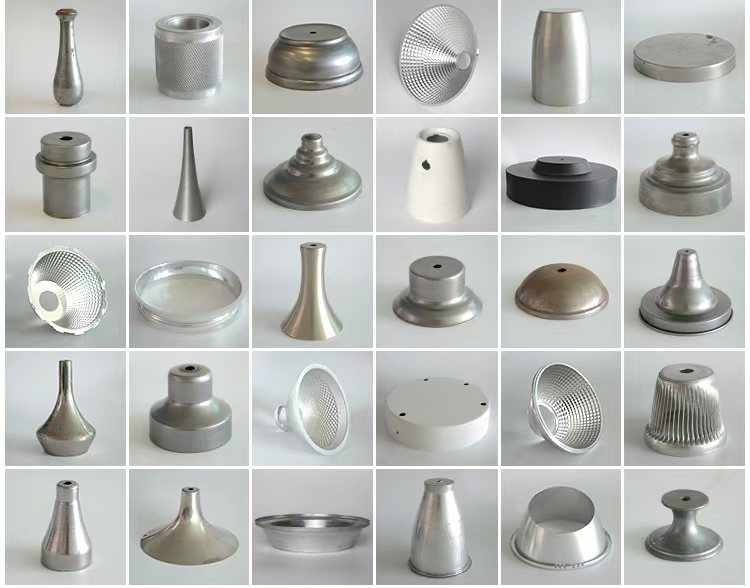
I. Working Principle of Spinning Machines
In simple terms: a fixed mandrel + a rotating blank + feed rollers for extrusion. A metal sheet is clamped onto the spindle mandrel and rotates at high speed with the spindle. CNC- or hydraulically-driven spinning rollers slowly press against the workpiece’s surface along a predetermined trajectory. Through localized continuous plastic deformation, the metal gradually conforms to the mold’s shape, undergoing overall stretching, thinning, and forming. Unlike stamping, which involves a single, overall extrusion, spinning involves continuous deformation point by point. The material is subjected to uniform stress, resulting in seamless, weld-free parts, making it the optimal process for thin-walled rotary components.
II. Main Categories of Spinning Machines
1. Standard Horizontal Spinning Machines: Primarily used for conventional hardware, aluminum parts, and stainless steel kitchenware. These machines feature manual or semi-automatic control, offer high cost-effectiveness, and are standard equipment for small and medium-sized processing plants.
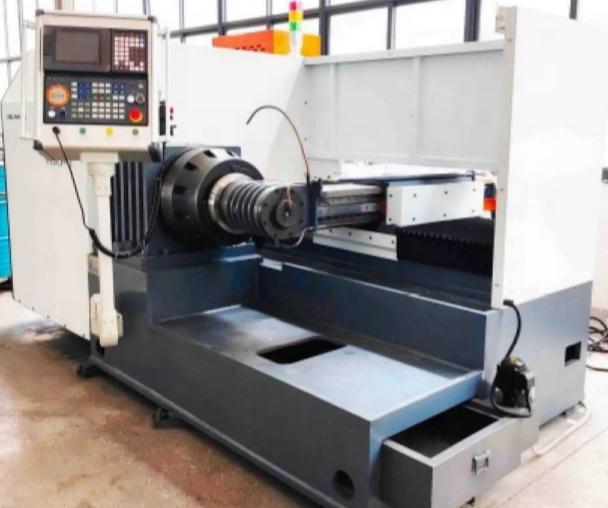
2.CNC High-Power Spinning Machines: Combining high-power hydraulics with CNC programming, these machines enable thinning during spinning. They are used for high-strength alloys (titanium alloys, high-strength steel) and aerospace/defense components, allowing precise control of wall thickness tolerances;
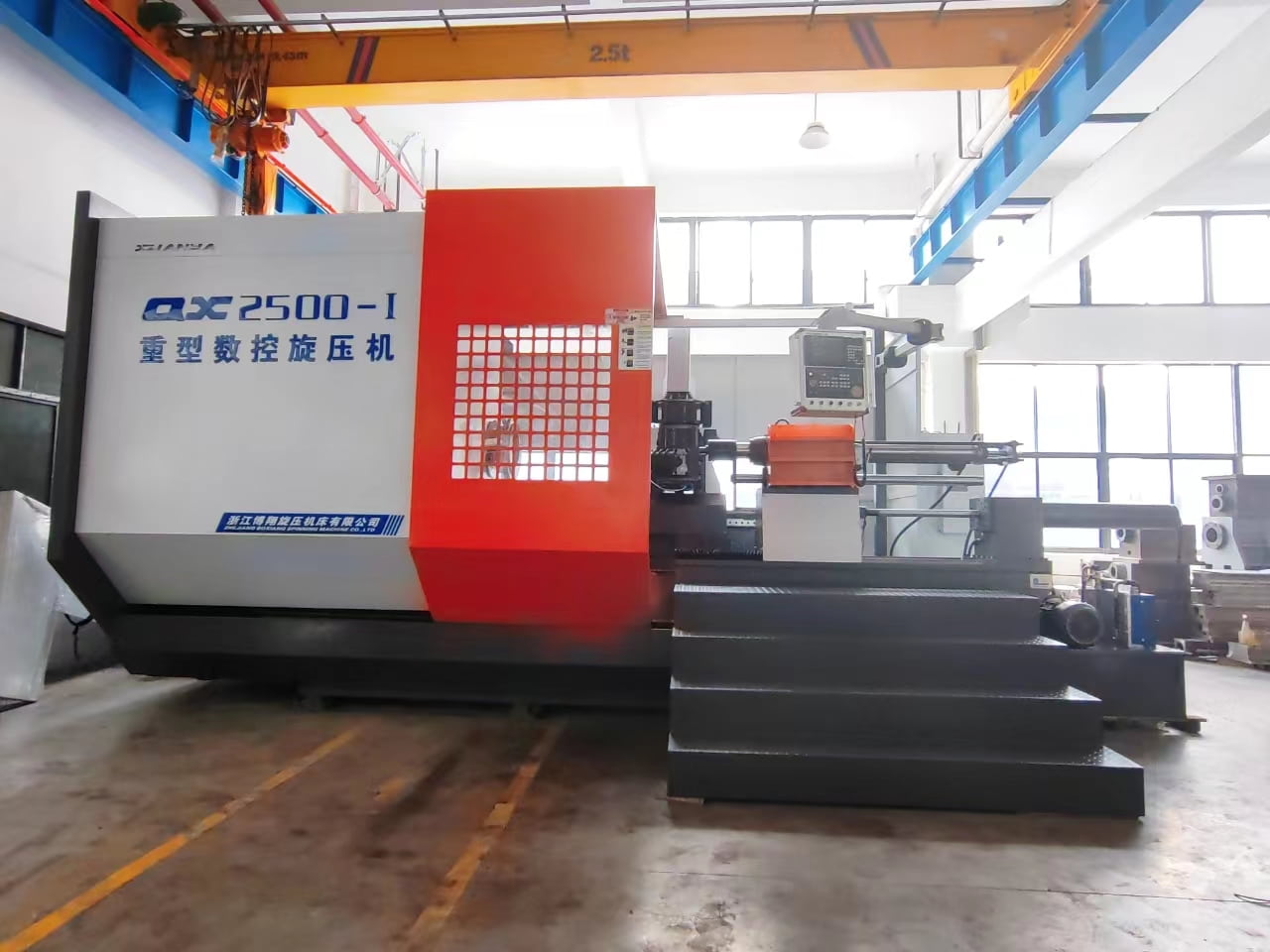
3. Vertical Spinning Machines: Primarily used for large-diameter heads, large pressure vessel heads, and heavy-duty workpiece processing; specialized for the petrochemical and boiler industries.
III. Core Advantages of Spinning Machines
1. Raw Material Savings: Compared to stamping and blanking, spinning achieves a material utilization rate of over 90%, significantly reducing waste of aluminum and stainless steel raw materials;
2. Enhanced Workpiece Strength: Metal grains become denser through the spinning extrusion process, resulting in finished products with superior tensile and compressive strength compared to stamped parts;
3. Flexible Production: Product switching is achieved simply by changing the mandrel, offering clear advantages for small-batch, multi-model custom production without the need for expensive stamping dies;
4. Seamless Forming: Formed as a single, integrated piece with no welded seams, ensuring excellent sealing performance and making it suitable for pressure vessels and hydraulic fittings.
IV. Industry Applications
V. Industry Development Summary
With the explosive growth of the new energy and aerospace industries, CNC all-servo spinning machines are gradually replacing older hydraulic models, and automated loading/unloading along with in-line wall thickness inspection have become standard features. For small and medium-sized manufacturing enterprises, the spinning process represents a key direction for reducing costs and improving efficiency by replacing traditional welding and stamping methods.
Leave A Message
Scan to Wechat/Whatsapp :