
A leading CNC machinery manufacturer offering factory-direct pricing and ISO-certified quality, backed by a global footprint in 60+ countries and a lifetime commitment to unlimited technical support.




A leading CNC machinery manufacturer offering factory-direct pricing and ISO-certified quality, backed by a global footprint in 60+ countries and a lifetime commitment to unlimited technical support.
An industrial boring machine is a specialized tool for making holes accurate. While a drill press makes holes, a boring machine makes them precise. It enlarges existing holes to exact size, perfect roundness, and smooth finish. This guide explains the practical functions that make boring machines valuable in workshops.
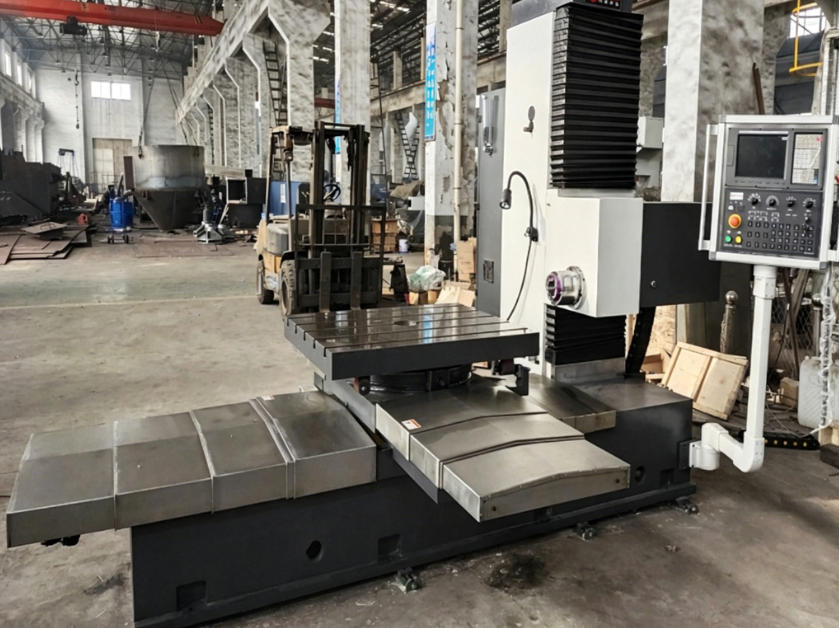
Making Holes Accurate and Round
Drilled holes are often slightly too small, slightly oversized, or not perfectly round. A boring machine fixes these issues. The boring bar spins and cuts evenly around the hole, bringing it to exactly the diameter you need while ensuring true roundness. This precision is essential for bearing fits, shaft clearance, hydraulic cylinders, and precision assemblies.
Correcting Hole Position and Angle
If a hole was drilled in the wrong spot or slightly off-angle, a boring machine can often correct it. The boring bar centers on the desired position and cuts away the offset material or angle. This function can save an expensive casting that would otherwise be scrap.
Making Stepped and Tapered Holes
Many parts need holes with different diameters at different depths, or tapered holes for tool holders and fittings. On a boring machine, you can bore one diameter, then move the tool and bore a larger diameter deeper in the same hole—all in one setup. For tapered holes, the machine moves the tool at an angle to produce an accurate, smooth taper.
Smoothing Surfaces and Fixing Worn Holes
Drilled holes have rough surfaces with visible spiral marks, while boring produces a smooth, even finish that reduces friction, improves sealing, and extends part life. Additionally, when a hole wears oversize from use, a boring machine can bore it to a clean, round size, then you install a bushing or sleeve to bring it back to original dimensions—a common repair for heavy equipment.
Aligning Multiple Holes and Facing Surfaces
Many parts have several holes that must line up perfectly. A horizontal boring mill can machine all these holes in one setup, with the part staying clamped while the machine moves the boring bar to each location. The same setup also allows facing the surface around the hole, creating a flat, smooth seat for bolt heads or bearings that is perfectly square to the hole.
Working on Large Parts and On-Site Boring
Industrial boring machines handle parts that are too big for other machines, such as engine blocks, gearbox housings, and turbine casings weighing several tons. For parts that cannot be moved—like ship propeller shafts or wind turbine towers—portable boring machines can be taken directly to the work, mounting on the part and boring the hole in place.
Types of Boring Machines
Use boring when accuracy matters. A drilled hole is fine for a bolt hole where some clearance is acceptable, but for a shaft that must fit snugly in a bearing, drilling is not good enough. Use boring when hole size must be exact, roundness is critical, inside finish must be smooth, or multiple holes must align.
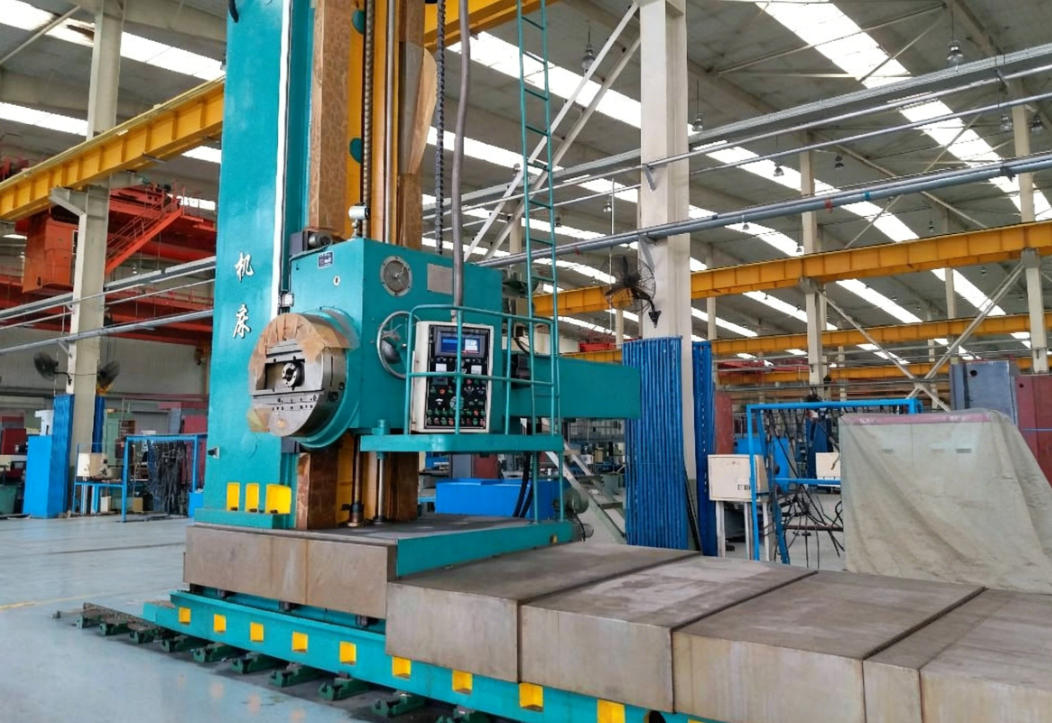
The industrial boring machine has practical functions that other machines cannot match. It makes holes exactly the right size, perfectly round, and smooth inside. It corrects position errors, cuts stepped and tapered holes, aligns multiple holes in one setup, and works on hard materials and large parts. For precision holes, a boring machine is often the only choice—taking rough holes from drilling or casting and finishing them to exact specifications.
Leave A Message
Scan to Wechat/Whatsapp :