
A leading CNC machinery manufacturer offering factory-direct pricing and ISO-certified quality, backed by a global footprint in 60+ countries and a lifetime commitment to unlimited technical support.




A leading CNC machinery manufacturer offering factory-direct pricing and ISO-certified quality, backed by a global footprint in 60+ countries and a lifetime commitment to unlimited technical support.
Many metal fabrication workshops focus heavily on raw material prices and labor rates when calculating production costs, yet often overlook the impact of machine performance on per-part cost. A robust heavy-duty machine tool delivers consistent stability during long-hour batch runs, which directly lowers your comprehensive manufacturing expense.
Heavy-duty lathes, milling machines, vertical machining centers and bending machines adopt thick cast bed, reinforced transmission structure and stable spindle system. They hold tight tolerance continuously without frequent adjustment. Less scrap from out-of-spec workpieces means you waste fewer raw materials. Also, stable equipment minimizes unexpected breakdown and unplanned downtime, so your production schedule stays on track and labor hours are fully utilized.
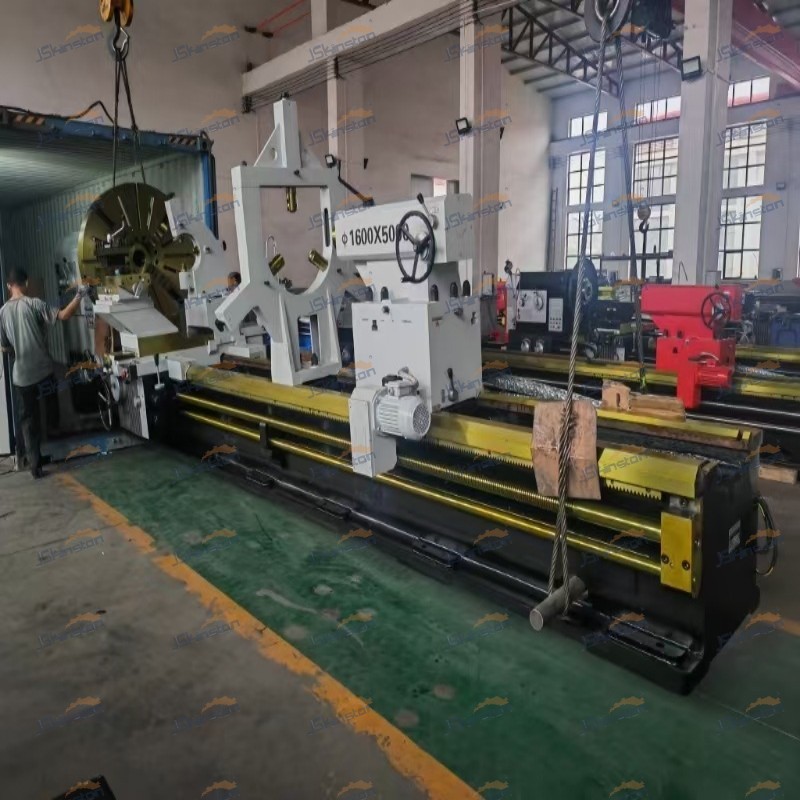
Choosing the right heavy-duty machine matched to your workpiece size and batch volume is a smart capital investment. Instead of picking low-cost light-duty models that struggle under continuous load, solid heavy-duty equipment keeps cycle time steady, extends tool service life and brings predictable per-part cost for your long-term orders. It is an effective way to improve your overall profit margin.
Q1: Will heavy-duty machine tools really reduce my per-part machining cost?
A1: Yes. Although the upfront purchase price is higher, they produce fewer defective parts, reduce tool wear and cut downtime loss. For medium and large batch production, the unit cost will drop obviously over time.
Q2: What kinds of workplaces benefit most from heavy-duty machine tools?
A2: Workshops for batch metal parts, automotive components, agricultural machinery parts, mold processing and steel structure fabrication are ideal users.
Q3: Does a heavy-duty machine consume more power than light models?
A3: The rated power is usually higher, but stable cutting avoids repeated rework and idle waiting. In most continuous production scenarios, the comprehensive energy cost per finished part is competitive.
Q4: How long is the typical payback period for heavy-duty machine tools?
A4: It depends on your daily output and part margin. Most metal fabricators see clear cost advantages within 1–2 years with stable order volume.
Q5: Can you provide customized heavy-duty machine solutions for our workpiece?
A5: Sure. We can recommend suitable lathe, milling, VMC or press brake models according to your workpiece size, material, tolerance requirement and daily output target.
Leave A Message
Scan to Wechat/Whatsapp :