
A leading CNC machinery manufacturer offering factory-direct pricing and ISO-certified quality, backed by a global footprint in 60+ countries and a lifetime commitment to unlimited technical support.




A leading CNC machinery manufacturer offering factory-direct pricing and ISO-certified quality, backed by a global footprint in 60+ countries and a lifetime commitment to unlimited technical support.
Hydraulic chuck is the core workholding component on CNC lathes, widely used for shaft parts, flanges, pipe fittings and OCTG turning. Compared with manual chucks, hydraulic chucks deliver stable, repeatable clamping force for continuous production. However, many workshops ignore regular maintenance, which gradually causes dropping clamping force, unstable runout, jaw jamming and unexpected downtime.
Poorly maintained hydraulic chucks are one of the top reasons for scrap parts and production stops. This guide covers standard preventive maintenance schedules, lubrication rules, cleaning procedures and troubleshooting tips for CNC lathe hydraulic chucks.
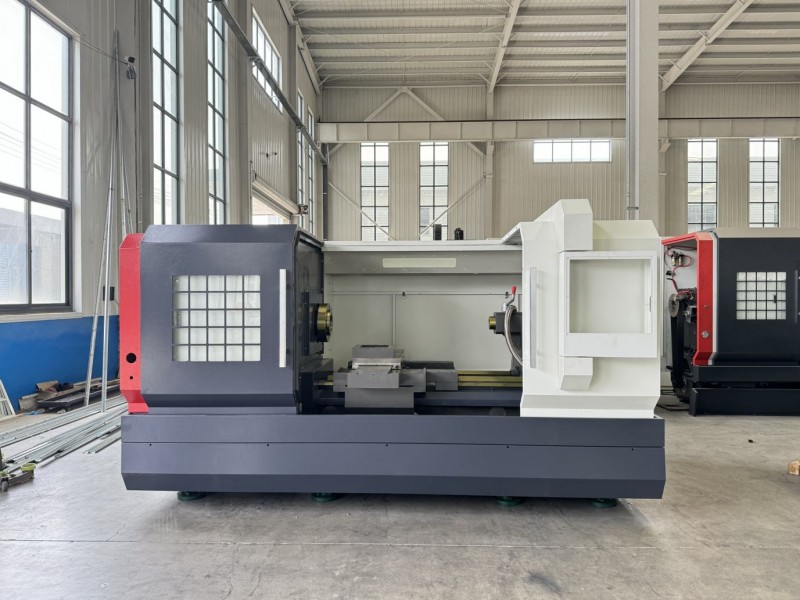
Daily inspection takes only a few minutes and avoids most sudden failures.
- Clear chips and coolant residue on chuck face, jaw surfaces and T-slots with compressed air after each batch. Fine chips trapped inside the chuck will scratch sliding surfaces and jam master jaws.
- Check hydraulic pressure reading from the gauge. Confirm the working pressure matches your workpiece requirement. Too high pressure may deform thin-walled parts; low pressure leads to workpiece slipping during heavy cutting.
- Visual check for oil leakage on rotary cylinder, drawbar connection and chuck back side. Stop immediately if continuous oil dripping appears.
- Apply recommended extreme pressure (EP) grease through chuck grease fittings. For 6-inch and 8-inch hydraulic chucks, regular daily greasing is mandatory, especially when water-soluble coolant is heavily used. Coolant washes away grease quickly and causes internal rust and wear.
Once per week, perform deeper inspection and cleaning:
- Remove jaws, clean jaw teeth and chuck slideways thoroughly. Remove hardened chip deposits and old deteriorated grease.
- Check jaw wear and jaw seat condition. Replace soft jaws or hard jaws if the clamping surface is heavily scored or deformed.
- Test chuck clamping force with a clamping force tester if available. A noticeable drop in gripping force usually means insufficient lubrication or internal sliding part wear.
- Inspect hydraulic station: check oil level, oil temperature and filter indicator. The hydraulic oil temperature should stay below 55°C under normal operation.
- Check drawbar tightness and rotary union condition. The rotary union is a high-wear part; oil leakage from the spindle area is a typical warning sign.
- Every month: Check all hydraulic hoses, fittings and seals. Look for cracks, bulging and aging. Replace aged hoses before they burst during production.
- Every 3–6 months: Fully disassemble, clean and inspect the chuck internal components. Clean old grease, check springs, sliding blocks and sealing rings. For workshops machining cast iron, shorten this interval to 2 months, because cast iron dust is highly abrasive and accelerates wear.
- Replace hydraulic oil and filter elements following the manufacturer’s schedule. Contaminated hydraulic oil damages the rotary cylinder and control valve.
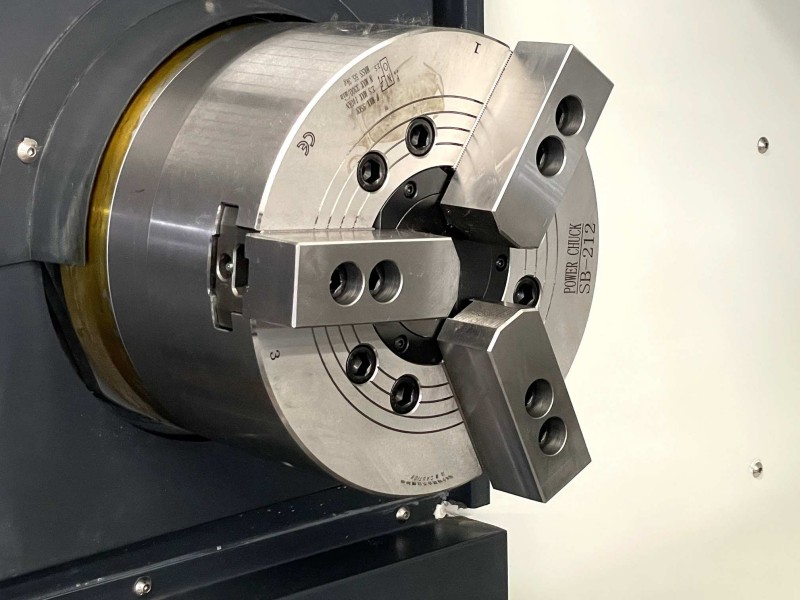
Lubrication is the key to stable hydraulic chuck performance.
- Use dedicated water-resistant EP chuck grease, not ordinary machine oil. Ordinary oil will be washed away by coolant quickly.
- Do not over-grease. Excessive grease mixes with chips and coolant, forming paste that blocks sliding surfaces.
- Increase lubrication frequency under heavy-duty conditions: high speed, heavy cutting, large amount of coolant or dusty mining and steel fabrication workshops.
- Never run the chuck without lubrication. Dry friction will cause permanent seizure of the master jaw assembly.
1. Workpiece slips while turning
Root cause: insufficient clamping force, worn jaws, dirty slideways, wrong hydraulic pressure or lack of grease.
Solution: Clean, re-grease, calibrate pressure and inspect jaw wear.
2. Chuck jaws move slowly or unevenly
Root cause: Chips stuck inside, contaminated hydraulic oil, air trapped in hydraulic circuit or blocked grease ports.
Solution: Full cleaning, bleed air from the hydraulic system and replace clogged filter.
3. Oil leaks from spindle / rotary cylinder
Root cause: Worn seals, damaged rotary union, loose fitting.
Solution: Replace seal kit or rotary union; do not keep running with leakage.
4. Poor repeatability and high runout
Root cause: Dirty jaw locating surface, deformed soft jaws, chuck mounting bolts loose.
Solution: Bore soft jaws in clamping state, clean mounting surface and retighten chuck bolts.
- Do not strike the chuck or jaws with hammer to force clamping.
- Do not use corrosive coolant that accelerates internal rust.
- Do not exceed the chuck maximum speed and rated clamping force listed on the specification sheet.
- Do not disassemble the rotary cylinder without professional training; improper disassembly will ruin internal precision.
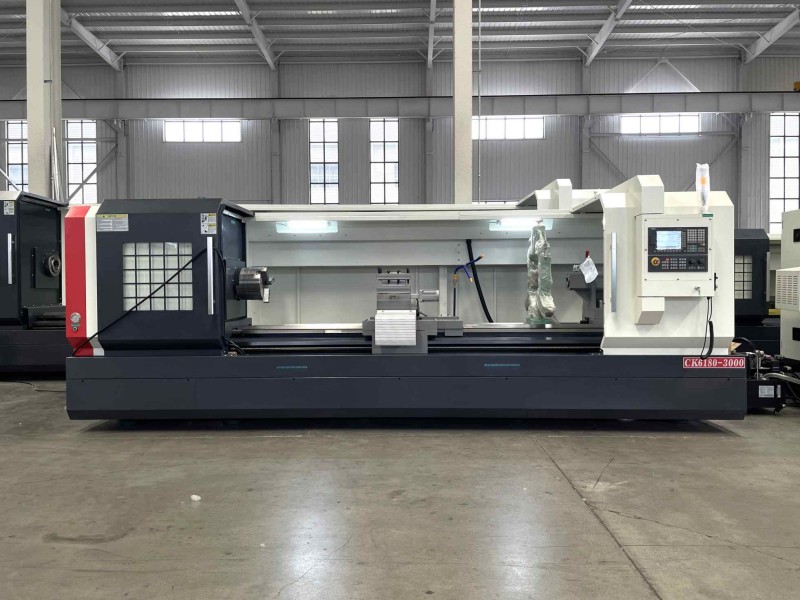
Hydraulic chuck maintenance is low-cost preventive work that protects your CNC lathe investment. A well-maintained chuck maintains consistent accuracy, reduces scrap rate and extends service life for years. It is especially important for heavy-duty CNC lathes such as CK6150 and CKY61125-4000, which run long hours for heavy turning work.
If you need replacement hydraulic chucks, soft jaws, seal kits and other accessories for your CNC lathe, visit our product page and contact us for specifications and pricing.
Leave A Message
Scan to Wechat/Whatsapp :